
Safety in the workplace is incredibly important, and deserves to be a topic for discussion. Both employees and management play a significant role in ensuring and upholding workplace safety.
The Australian Workforce
The modern workplace has undergone many changes over the past decade or so. According to the Australian Bureau of Statistics, people spend an average of 38 or 40 hours a week at work. During this time, our actions (or lack of action) can put both ourselves and our co-workers at risk. Thus, being alert, focused, and prioritising the wellbeing of those around us is a must.
Regardless of the industry, a safe workplace encourages its workers to recognise potential hazards and dangerous work practices, and seek ways to improve workplace safety. It also provides training for them to make well-informed safety decisions while performing their everyday duties.
8 Rules Of Workplace Safety
After many years of research, leaders in occupational accident prevention have found a number of specific causes for common workplace injuries and illnesses. Studies show that workplace safety mainly depends on employee behaviour and other human factors.
Here are eight rules to ensure workplace safety.
Stay Alert
Staying alert and keeping focus while doing tasks means people are less likely to get hurt. If you’re unsure how to perform a procedure or operate any equipment, ask the supervisor. Avoid doing guesswork and ensure you have the proper training to perform tasks correctly and safely.
Wear The Right Clothes
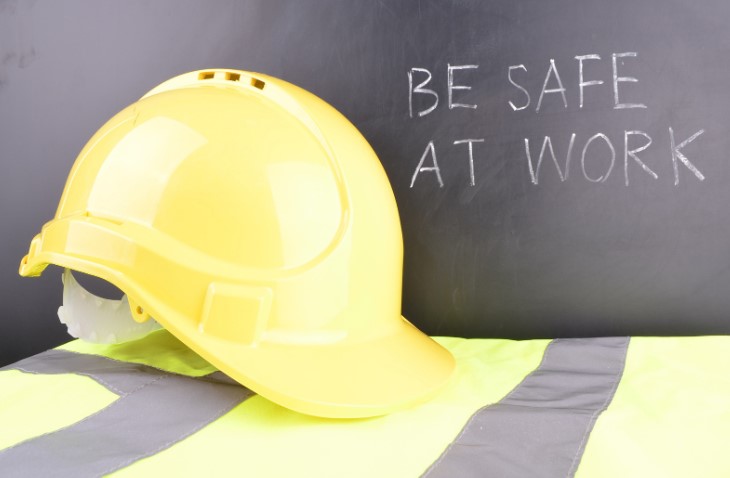
 Wearing required safety equipment is a must in the workplace. Working in a risky environment may require workers to wear reflective gear, helmets or hard-hats, fire-resistant clothing, industrial workwear, or hazard-safe shoes. A breathing mask is also essential when dealing with toxic, dangerous materials or fumes.
The use of correct gear keeps everyone safer. Make sure you’re familiar with the required safety equipment and protective clothing for any work you perform.
Proper Use of Tools, Machine, And Equipment
Using the right tools, machinery, and equipment help prevent injuries. Only operate machines for which you have the appropriate training. And make sure equipment is regularly inspected for damage, wear, or other hazards.
Workplace procedures are there to keep everyone safe. Though skipping a step may save a little time in the short term, the potential cost isn’t worth it. Use every tool and machine according to the instructions.
Learn The Right Lifting Procedures
Lifting takes more than muscle; it requires skill and knowledge of proper manual handling. Trying to lift heavy materials with brute force alone, paying no heed to proper manual handling, is a short cut to the physiotherapist or even the hospital.
If something is too heavy to lift by yourself, get some help or use a machine do the hard work. Don’t try to be a hero and end up needing medical assistance. Need Manual Handling Training? Enrol in ur Darwin Manual Handling Course.
Beware Of Practical Jokes
Pranks and practical jokes in the workplace are often intended as harmless fun to relieve workplace stress. However, they can also be very dangerous – especially if they involve industrial equipment or machinery. Think about the potential safety risks of any prank you might be planning, and don’t do anything that could get someone hurt.
Be Organised
Proper organisation will reduce hazards in the workplace. Put tools away in the appropriate places after use. Keep the floors and walkway clean by picking up scraps and wiping up spills. Remember that falls, slip, and trips can cause serious injuries.
A clean, organised workplace can positively impact job satisfaction and keep everyone free from danger.
Follow Reporting Procedures
Always file a report on incidents, defective equipment, or unsafe conditions – management can’t act on it if they don’t know about it. Make sure safety issues and hazards that arise are addressed as quickly as possible.
If there is an immediate danger in the workplace, notify you supervisor other management right away, and get it sorted out fast.
Get First Aid Help
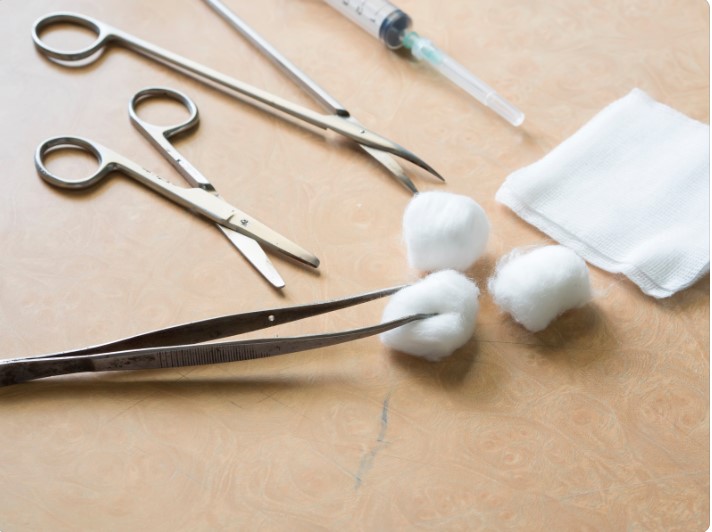
If someone in the workplace is sick or injured, you should seek out first aid assistance at once – normally from an appointed workplace first aid officer. If there is significant bleeding or any kind of severe injury or illness, seek out professional medical assistance – calling 000 if the situation is critical.
Inadequate treatment of a workplace injury or illness may result in further complications, loss of work hours, potentially permanent damage, and in some cases legal liability.
Conclusion
Workplace accidents are preventable only if people are aware of the risks and hazards in the environment.
Preparation is the key to avoiding accidents and injuries. Ensure an action plan is in place and familiarise everyone with the exits in case of evacuation. Ensure that the workplace has updated emergency contact lists and medical aid information.
During a serious workplace incident or medical emergency, the last thing needed is unnecessary chaos.
To achieve safety excellence in you workplace and protect workers, make sure your staff are provided with professional first aid training – providing everyone on your staff with the skills to respond to an emergency.
Visit First Aid Courses Darwin for more information.