High Blood Pressure (Hypertension): Signs, Risks, and What You Can Do
High blood pressure, also known as hypertension, affects millions without them knowing. Learn how to read your blood pressure and what to do.

High blood pressure, also known as hypertension, affects millions without them knowing. Learn how to read your blood pressure and what to do.
Migraine is a neurological disorder that many Australians live with for years without being able

A handful of consistent habits can improve your health in ways you actually feel. You

First aid training for security guards is a mandatory part of gaining and keeping a security licence in Australia. It puts you at the front line when someone is hurt, unwell, or unresponsive. Every Australian state and territory requires you to hold a current first aid qualification as a condition of your security licence, and that qualification must be renewed on a set schedule. The skills and knowledge behind it also fade quickly, which is where the gap between holding a certificate and being prepared to act starts to open.

Most cyclists know the basics of bike safety, yet preventable accidents still happen because riders overlook habits that only take seconds to build. As bicycle riders are the most vulnerable road users, the difference between a close call and a trip to hospital can come down to a few small adjustments to your routine before every ride.

Most Australians spend a third of their waking hours at work, which is why every

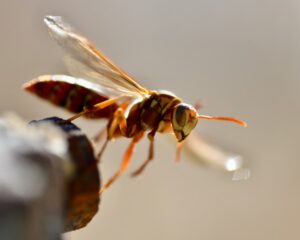
An allergic reaction happens when your immune system overreacts to a substance that is normally harmless to most people. These substances are known as allergens, and they can include foods, insect stings, medicines, pollen, and dust mites. Allergic reactions can range from mild to severe, and severe allergic reactions can be life-threatening.
Every year, Australian businesses report hundreds of thousands of serious workplace injuries and illness cases that affect employees, their families and the broader community. In most cases, these are accidents and injuries that could have been avoided with first aid preparedness.
First aid for bleeding can be a simple life skill, or it can be what prevents an emergency from becoming a catastrophe. Bleeding injuries range from minor nuisances like cuts, scrapes, and grazes, to open wounds where the bleeding is non-stop. Both require bleeding first aid knowledge, but the techniques are different.

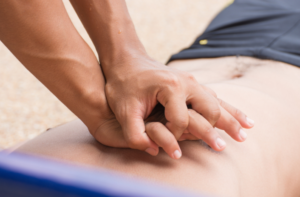
There aren’t too many people left who are worried about performing CPR during Covid-19. The pandemic might be ongoing and still a concern, but if you see someone collapse in public you’re more likely to panic about not knowing CPR than you are to worry about performing CPR on someone who might be sick.

Group first aid training is the perfect way to get your whole workplace team trained up and compliant at the same time. But it’s not just for people who work together, there are so many other groups who can stand to benefit from a group first aid training course.
Australia was declared free of measles in 2014 thanks to widespread vaccination coverage. However, measles is still common in many countries, and recent measles cases have primarily been linked to international travellers. In 2024 a measles outbreak in Canada caused the county to lose its measles-free status. Measles elimination isn’t absolute, and the low number of measles cases in Australia doesn’t mean a resurgence of measles is impossible. In fact, a regional measles outbreak in WA in 2025 had more than 75 cases of measles reported.

Camping first aid keeps smaller problems from spiralling into big ones, and big ones from turning into tragedies when professional help is hours away. Remote area first aid uses all the same principles as standard first aid, but with a greater focus on stabilising someone who is injured or ill over a longer period of time until they can get the medical assistance they need.
If you’re planning to head out for a hiking adventure or for some caravanning or camping, first aid is an essential skill you need to bring with you. From the techniques to treat injuries to having a fully stocked camping first aid kit, here’s everything you need to take with you so you can be prepared for when the unexpected strikes.
When help is hours away or more, you need to know remote first aid. Without professional medical help around, you’re the one who needs to step in and take action to help keep someone (or yourself) stabilised over an extended period until they can get the help they need.
CPR rescue breaths keep oxygen flowing to a person’s brain when they stop breathing or their heart stops beating. Working in tandem with chest compressions, CPR rescue breaths form the full range of cardiopulmonary resuscitation techniques that can increase a victim’s chances of survival by double or even triple. In instances of cardiac arrest, drowning or overdose, CPR rescue breaths can help keep someone breathing until emergency help arrives.
Home safety should always be a high priority. After all, your home should be your sanctuary, place where you feel safe, comfortable, and protected. While we all like to think of our homes as our safe space, accidents can happen in even the best of households.
Sometimes babysitter first aid is the only difference between a confident caregiver who knows how to act when things go wrong, and one who just stands by helplessly. Accidents can happen in seconds when caring for young children, infants, and babies, and your babysitter’s response in those first few critical moments determine what happens next. Having a babysitter with first aid skills and knowledge can keep things from getting worse and potentially save a child’s life.

Australia’s unique geography means we face some of the world’s most intense natural hazards. From the devastating bushfires to destructive cyclones, nature regularly reminds us that emergency preparedness isn’t optional. That’s why the Australian Government recommends every household maintains enough supplies to be self-sufficient for at least 72 hours.
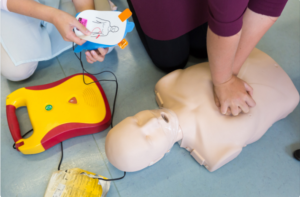
Life-threatening emergencies don’t wait until it’s convenient for you, you need to know first aid and CPR before they happen. Whether you’re at home, at work, or out and about, having the skills to provide first aid and perform CPR could mean the difference between life and death for someone you care about. Our comprehensive first aid and CPR certification course can equip you with the life-saving skills to respond when someone gets seriously hurt.

Manual handling training in healthcare addresses a significant issue: manual handling accounts for nearly a third of workplace injuries in Australia. Safe Work Australia reports manual handling injuries cost Australian businesses over $28 billion every year.

High blood pressure, also known as hypertension, affects millions without them knowing. Learn how to read your blood pressure and what to do.
Migraine is a neurological disorder that many Australians live with for years without being able

A handful of consistent habits can improve your health in ways you actually feel. You

First aid training for security guards is a mandatory part of gaining and keeping a security licence in Australia. It puts you at the front line when someone is hurt, unwell, or unresponsive. Every Australian state and territory requires you to hold a current first aid qualification as a condition of your security licence, and that qualification must be renewed on a set schedule. The skills and knowledge behind it also fade quickly, which is where the gap between holding a certificate and being prepared to act starts to open.

Most cyclists know the basics of bike safety, yet preventable accidents still happen because riders overlook habits that only take seconds to build. As bicycle riders are the most vulnerable road users, the difference between a close call and a trip to hospital can come down to a few small adjustments to your routine before every ride.